
Are peanuts peas or nuts? Peanuts are not true nuts — they are actually legumes. While they resemble tree nuts in taste and nutrition, peanuts grow underground in pods, similar to peas and lentils, making them a member of the legume family.
What Are Peanuts, Really?
Despite their name, peanuts are not true nuts. Botanically, they are classified as legumes, a family of plants that includes beans, lentils, chickpeas, and peas. The defining trait of legumes is that they grow inside pods — and so do peanuts.
The scientific name of the peanut is Arachis hypogaea, and its unique growth process sets it apart from both nuts and peas. While tree nuts like almonds and walnuts grow on trees, peanuts develop underground, earning them the nickname “groundnuts.”
How Peanuts Grow: Underground Magic
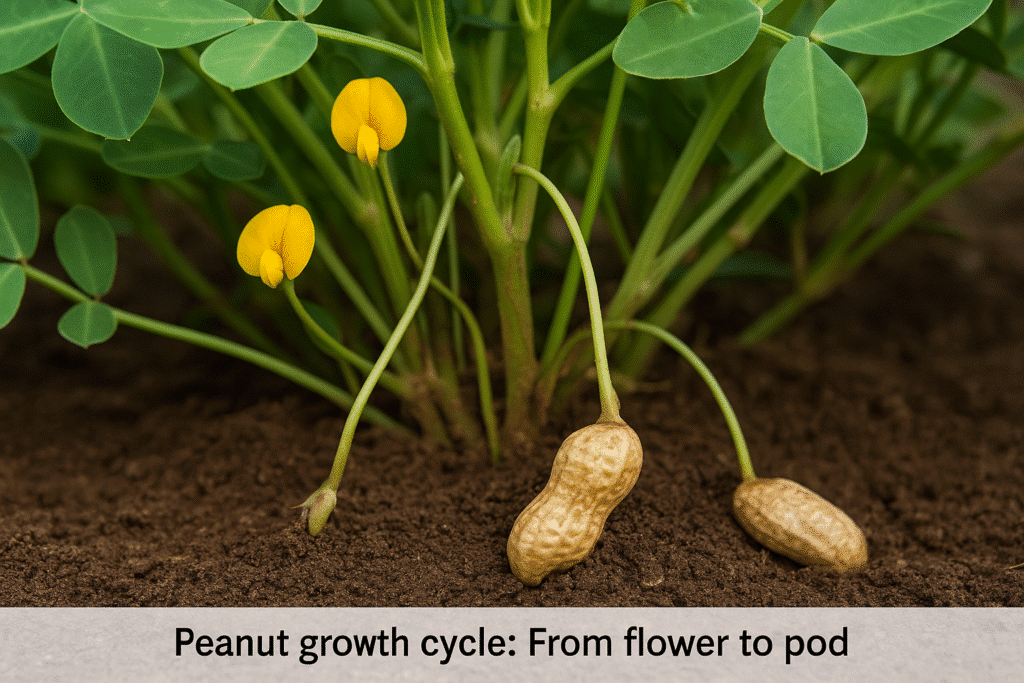
Peanuts begin their life cycle much like any flowering plant: above the ground. But once pollinated, the flower stalk elongates and bends downward — this part is called the peg. The peg pushes the fertilized ovary into the soil, where the peanut matures underground. This rare reproductive strategy is called geocarpy.
- Flowering: Occurs above ground.
- Fertilization: Triggered by insect pollination.
- Burial: Pegs burrow into soil, where pods form.
- Harvest: Entire plants are pulled to reveal the pods beneath.
This makes peanuts unique among legumes and completely different from tree nuts or peas in how they develop.
Peanuts vs. Nuts vs. Peas
| Aspect | Peanuts | Tree Nuts | Peas |
|---|---|---|---|
| Botanical Category | Legume | Nut (True nut or drupe) | Legume |
| Growth | Underground | On trees | Above ground in pods |
| Shell/Pod | Soft, netted pod | Hard shell or husk | Soft green pod |
| Nutritional Use | Nut-like | Nut | Vegetable |
Nutritional Comparison: Peanuts and Tree Nuts
Even though peanuts are legumes, they have a nutritional profile similar to tree nuts. Both are high in:
- Healthy fats: Especially monounsaturated and polyunsaturated fats
- Plant-based protein
- Fiber
- Vitamin E, magnesium, and niacin
According to a 2011 review published in the NCBI, regular consumption of peanuts or tree nuts is associated with a reduced risk of cardiovascular disease. They’re heart-healthy, filling, and rich in antioxidants.
Why the Confusion?
The confusion stems largely from culinary classification. In the kitchen, peanuts behave like nuts — they’re crunchy, savory, and often used similarly to almonds or cashews. Most people lump them into the same category due to taste, texture, and culinary use.
But scientifically, calling a peanut a nut is like calling a tomato a vegetable — it’s convenient, but not botanically accurate.
Health Benefits of Peanuts
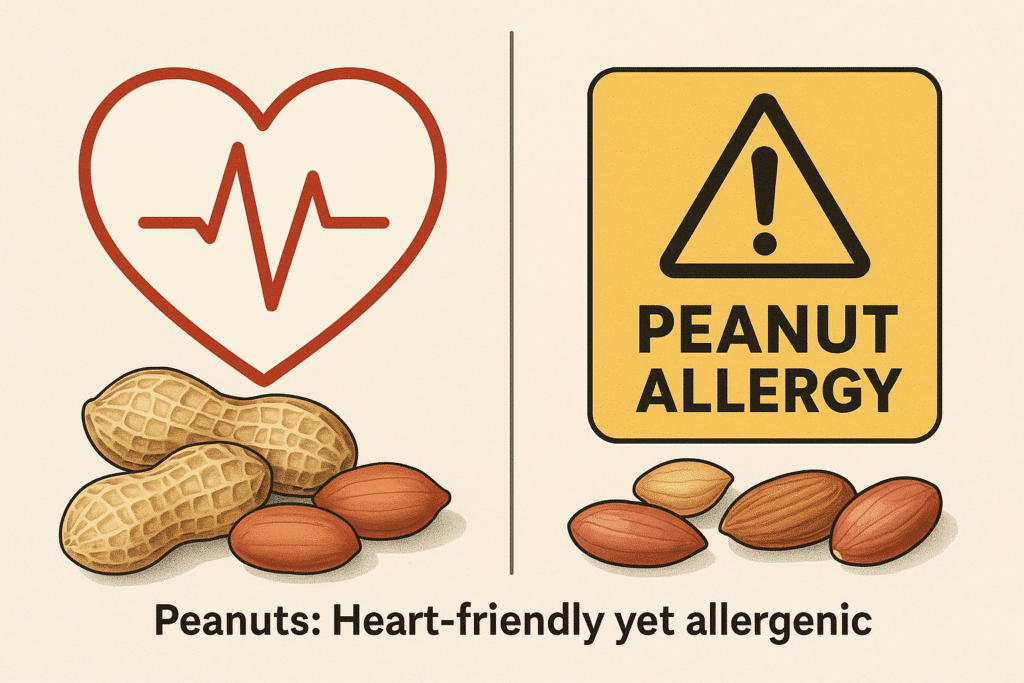
Peanuts offer a wide range of health benefits, including:
- Heart Health: Peanuts help lower LDL (bad) cholesterol and support cardiovascular health.
- Weight Management: High protein and fiber promote satiety, reducing overeating.
- Blood Sugar Control: Low glycemic index and healthy fat profile help maintain stable blood sugar levels.
- Brain Support: Rich in niacin and resveratrol, both linked to cognitive function.
Culinary Uses: More Than Just a Snack
Peanuts are incredibly versatile in the kitchen. Some great ways to enjoy them:
- Peanut Butter: Choose natural varieties made from 100% peanuts.
- Peanut Sauce: Excellent with rice, noodles, or steamed vegetables.
- Roasted Peanuts: Enjoy them plain or lightly salted.
- Baking: Add chopped peanuts to cookies, granola, or banana bread.
- Stir-fries: Toss in roasted peanuts for a crunchy texture.
Frequently Asked Questions
Are peanuts safe for people with nut allergies?
It depends. While peanuts are legumes, many individuals with tree nut allergies also react to peanuts. Always consult an allergist.
Why are peanuts called nuts?
It’s a culinary term based on flavor, texture, and usage. They were historically grouped with nuts due to their nut-like qualities.
Do peanuts fix nitrogen like other legumes?
Yes, peanuts develop root nodules that help fix nitrogen into the soil, making them valuable in crop rotations.
What’s the difference between raw and roasted peanuts?
Roasting enhances flavor and aroma but may slightly reduce certain heat-sensitive nutrients like some antioxidants.